TREE REMOVAL | SHREVEPORT, LA
Tree Removal in Shreveport, LA
Dead, damaged, leaning, or structurally unstable trees can create serious concerns near homes, driveways, fences, vehicles, and utility areas. Shreveport Tree Removal helps property owners submit tree-removal requests based on the tree’s condition, location, access, urgency, and surrounding property features.
A tree should be evaluated before work begins, especially when it has storm damage, visible decay, unstable roots, large broken limbs, or a significant lean toward people or structures. Project acceptance, recommendations, pricing, and scheduling are confirmed directly with the provider handling the request.
When Tree Removal May Be Appropriate
Dead or Declining Trees
Trees with extensive decay, large dead sections, severe disease, or little remaining healthy growth may create safety concerns. The condition of the trunk, major limbs, and root system should be evaluated before removal is recommended.
Storm-Damaged or Structurally Unstable Trees
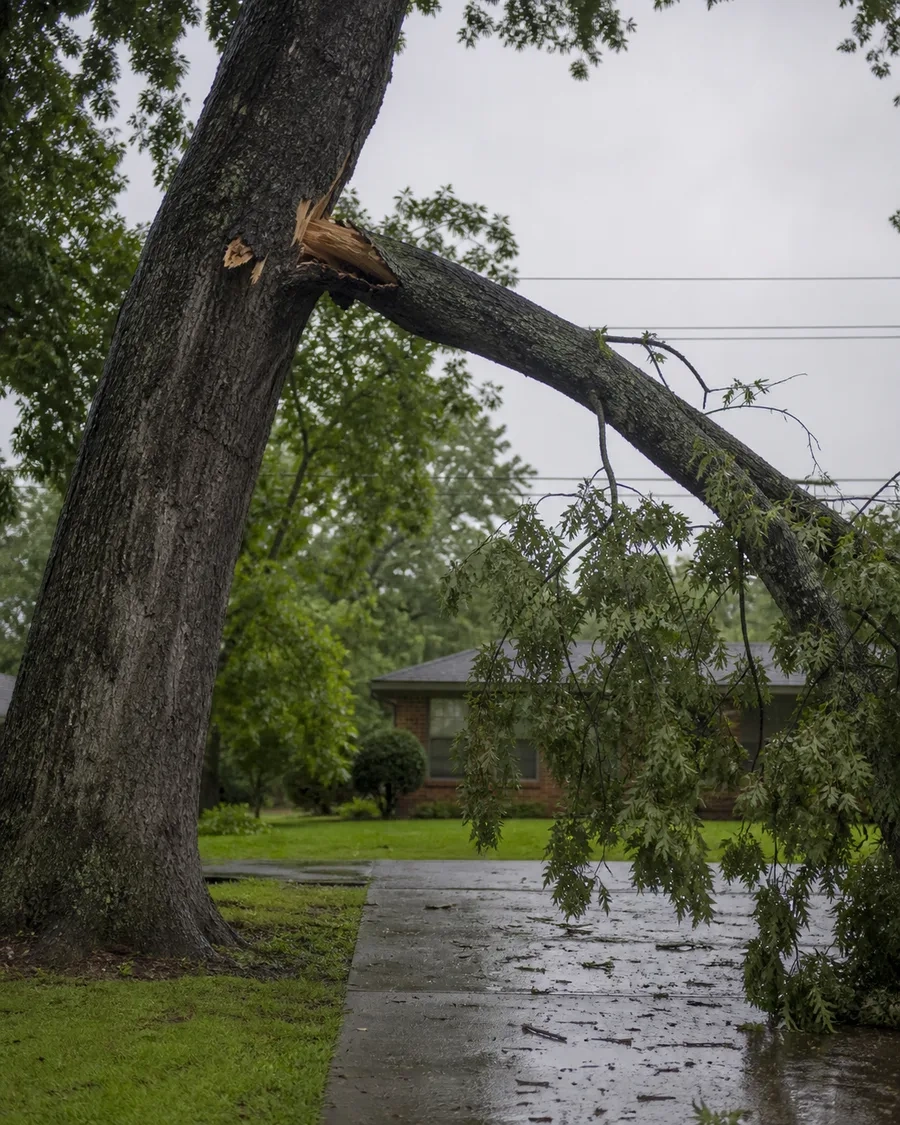
Split trunks, broken leaders, hanging limbs, uprooted roots, or a sudden lean after severe weather may indicate instability. Urgent evaluation may be appropriate when the tree is near a home, driveway, road, fence, or utility area.
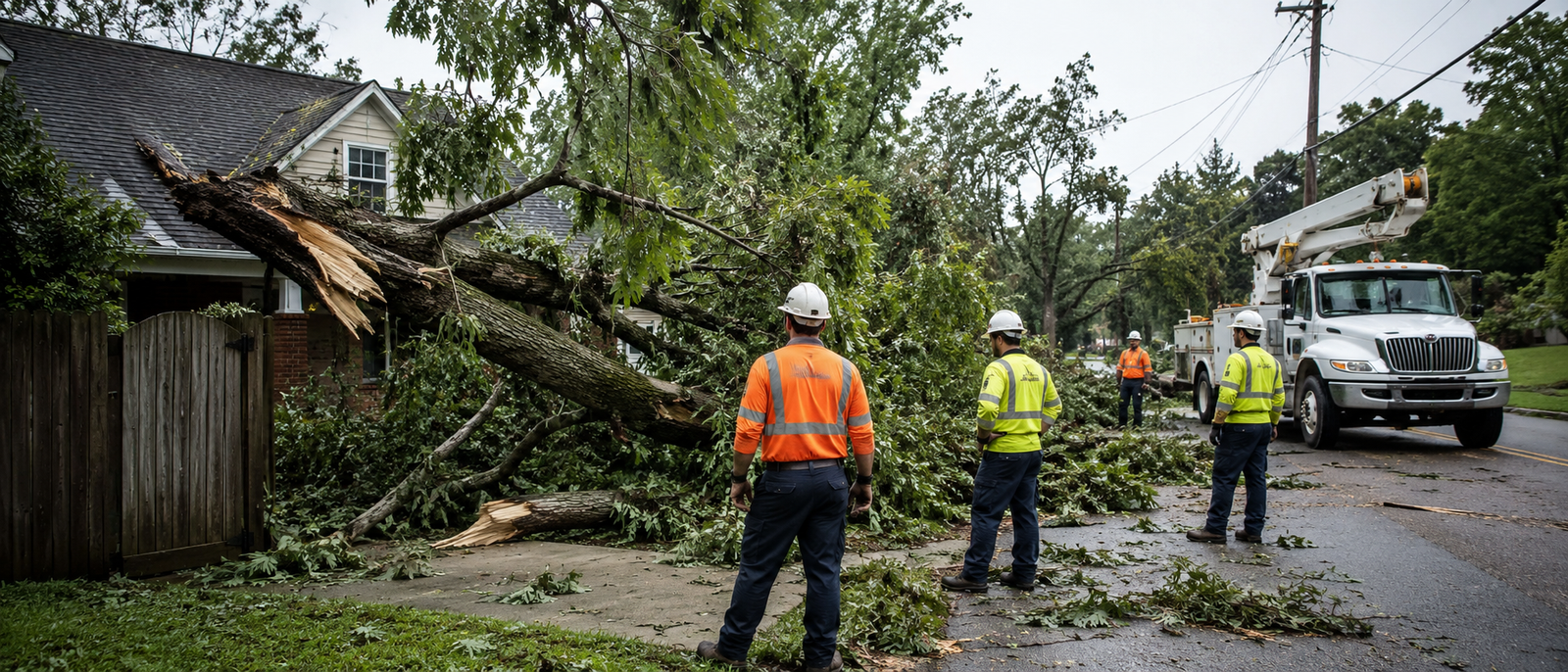
Trees Conflicting With Property Use
Removal may also be considered when a tree repeatedly damages structures, blocks access, interferes with construction, or cannot be managed safely through pruning. The location, species, condition, and surrounding property features all affect the decision.
How a Tree-Removal Request Is Handled
The exact process depends on the tree’s condition, location, access, hazards, and provider availability. Most requests follow these general steps.
1
Submit the Request
Provide the property location, tree condition, nearby structures, access details, and any immediate safety concerns. Photos can help explain the situation when the request is first reviewed.
2
Property and Tree Evaluation
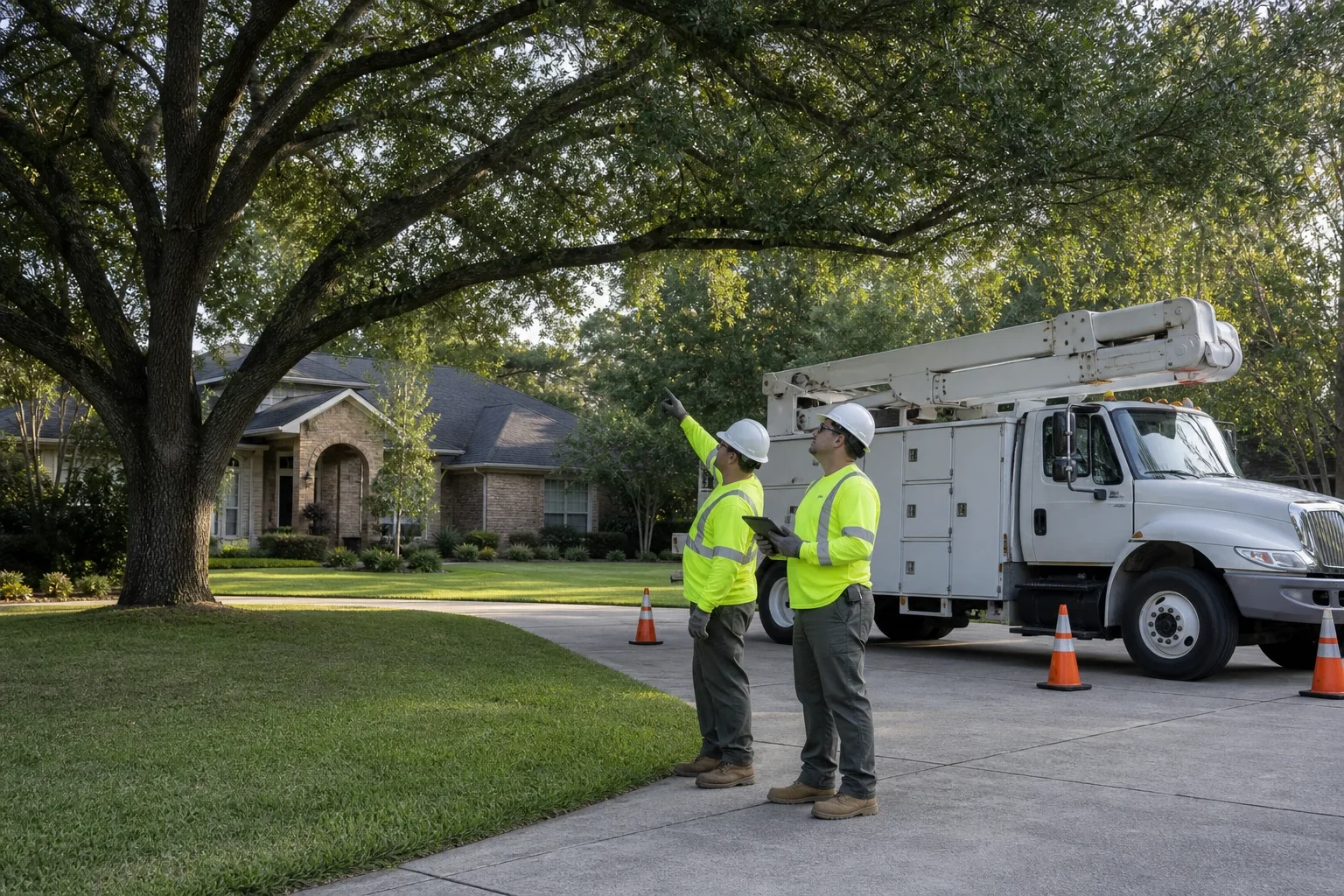
A provider may evaluate the tree’s stability, size, surrounding hazards, equipment access, debris-handling needs, and whether removal or another service is appropriate.
3
Scope, Scheduling, and Service
Pricing, cleanup options, stump grinding, scheduling, credentials, and the final scope of work should be confirmed directly with the provider before the project begins.
Verify Who Will Perform the Work
Louisiana requires an arborist license for paid tree removal, pruning, trimming, cabling, fertilization, and similar tree-surgery work. Utility-right-of-way work requires the appropriate utility arborist credential. Before authorizing work, identify the licensed provider responsible for the project and verify current credentials through the Louisiana Department of Agriculture and Forestry.
Confirm the written scope and price, current insurance information, removal method, property-protection measures, debris handling, stump options, access requirements, utility coordination, scheduling, and exclusions before work begins.
Tree Removal, Pruning, or Monitoring?
Removal may be appropriate when a tree is dead, severely decayed, structurally unstable, uprooted, or cannot be retained without unacceptable risk. Pruning may be the better option when the concern is limited to dead, crossing, damaged, or poorly attached branches and the trunk and root system remain sound. Monitoring or an arborist evaluation may be appropriate when symptoms are uncertain or the tree’s condition is changing.
The decision should be based on tree condition, nearby people and property, site constraints, and the written recommendation of the provider evaluating the work.
If a tree is touching or close enough to contact an energized line, keep people and tools away and contact the utility before ordinary tree work is scheduled.
What to Have Ready Before You Call
Have the property address, the tree’s location, visible damage or lean, nearby structures or utilities, access constraints, and any urgent safety concern ready. Photos can help the provider understand the request before an on-site evaluation.
What We’ll Confirm With You
When you call, confirm who will evaluate and perform the work, current licensing and insurance, the proposed removal method, debris and stump options, property protection, scheduling, price, and any exclusions before approving the project.
Tree Removal FAQs
How do I know whether a tree should be removed?
Removal may be appropriate when a tree is dead, severely decayed, structurally unstable, uprooted, badly storm-damaged, leaning toward property, or creating a serious access or safety concern. Some trees can be managed through pruning or monitoring, so the condition, nearby targets, and location should be evaluated first.
Can a tree be removed when it is close to a house?
Yes, but trees near homes, garages, fences, driveways, pools, or neighboring property usually require more careful planning. Access, tree condition, available work space, nearby hazards, and the selected removal method all affect the project.
Is stump grinding included with tree removal?
Not always. Stump grinding is commonly priced and scheduled separately because it requires different equipment and cleanup. Confirm whether the written scope includes grinding, how deep the stump will be ground, what happens to the grindings, and whether surface roots are included.
How long does tree removal take?
Timing depends on tree size and condition, access, nearby structures and utilities, equipment needs, weather, and debris handling. A straightforward removal may be completed in one visit, while complex work can require more planning or multiple stages. Ask for a project-specific schedule.
What happens to branches, logs, and debris?
Debris handling should be defined before work begins. Depending on the agreed scope, branches may be chipped, logs hauled away or left on site, and the work area raked after removal. Confirm any limits, extra hauling, wood placement, and cleanup expectations in writing.
Do I need a Louisiana-licensed arborist for tree removal?
Louisiana requires an arborist license for paid tree-removal and similar tree-surgery work. Ask which licensed provider is responsible for the project and verify current credentials through the Louisiana Department of Agriculture and Forestry before authorizing work.
Who handles branches near power lines?
Keep people and tools away from trees touching or close enough to contact energized lines. Contact the utility first. Ordinary property-clearance work should not be described as utility-line work unless the responsible provider holds the appropriate credential and utility coordination is confirmed.
What should a written tree-removal estimate include?
It should identify the tree or work area, approved removal method and scope, property-protection measures, debris and log handling, stump options, access requirements, scheduling, provider credentials, price, and exclusions. Ask questions before approving any scope that is unclear.
What Affects a Tree-Removal Project?
Tree-removal projects can vary significantly because no two trees or properties are exactly alike. The tree’s size, species, condition, location, and proximity to structures all influence the equipment, planning, and work area that may be required.
Tree Size and Condition
A tall, wide, decayed, split, or storm-damaged tree may require more planning than a smaller tree with a sound structure.
Access to the Work Area
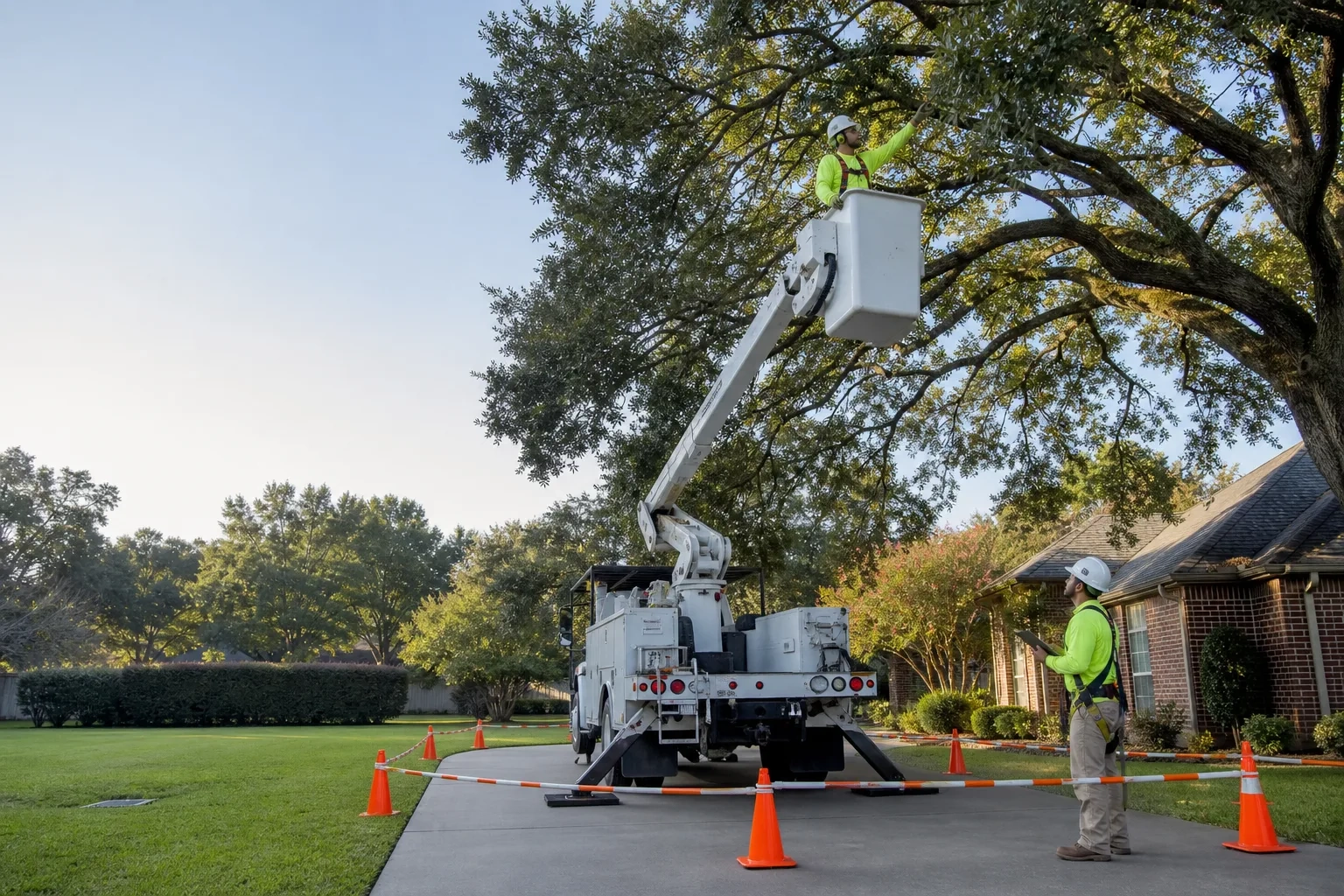
Narrow gates, fences, steep ground, landscaping, nearby buildings, and limited equipment access can affect how the tree is approached.
Nearby Structures and Utilities
Homes, garages, vehicles, roads, power lines, and neighboring property may require controlled cutting and additional precautions.
Debris and Stump Options
The final scope may include hauling logs, chipping branches, cutting wood into sections, grinding the stump, or leaving selected material on the property.
Timing and Urgency
Storm damage, blocked access, unstable limbs, and immediate property concerns may affect scheduling and provider availability.
Need Help With a Tree-Removal Request?
Describe the tree, its location, nearby structures, access conditions, and any urgent concerns. Project details, availability, pricing, credentials, and scheduling should be confirmed directly with the provider handling the request.