
Last updated: July 14, 2026
Quick Answer: The most common tree diseases in Northwest Louisiana include oak wilt, hypoxylon canker, pine bark beetle damage, anthracnose, brown spot needle blight, and fungal leaf spot. Identifying these diseases early, before they spread or kill your tree, is the difference between a pruning job and a full removal. If your tree is showing bark damage, dropping leaves out of season, or losing limbs from the crown down, get a certified arborist on-site before the problem doubles.
Key Takeaways
- Oak wilt and hypoxylon canker are the most serious threats to Caddo Parish oaks and can kill a tree within one to two seasons if untreated.
- Pine bark beetles are not a disease but cause disease-like decline in loblolly pines, look for boring dust, pitch tubes, and fading needles.
- Anthracnose thrives in Louisiana's humid spring weather and hits sycamores, oaks, maples, and dogwoods hardest.
- Fungal diseases spread fastest from March through June when rainfall is high and temperatures are rising.
- Stressed trees, drought damage, construction root disturbance, storm wounds, are far more vulnerable to disease than healthy ones.
- Not every sick-looking tree needs removal. Some diseases respond to pruning and fungicide treatment. Some don't. An honest assessment matters.
- Water Oaks, Loblolly Pines, and Sweetgums are the most disease-susceptible species we see regularly across Shreveport and Bossier City.
- Preventive care (proper pruning timing, mulching, avoiding root damage) is the most cost-effective disease strategy available.
- If a disease is spreading to neighboring trees, act fast, some pathogens move through root grafts or insect vectors within weeks.
What Are the Most Common Tree Diseases in Northwest Louisiana
Northwest Louisiana's climate, hot, humid summers, mild winters, and heavy spring rainfall, creates ideal conditions for fungal pathogens and pest-driven decline. The diseases we see most often across Shreveport, Bossier City, and Caddo Parish fall into a handful of categories.
The most frequently diagnosed tree diseases in this region:
- Hypoxylon canker, A fungal disease that attacks stressed oaks, causing bark to shed and expose gray or white fungal mats underneath [1]
- Oak wilt, A vascular disease that blocks water movement inside the tree, causing rapid crown dieback [2]
- Pine bark beetle damage, Not a disease itself, but beetle galleries under bark create entry points for fungal infection [3]
- Anthracnose, A fungal disease causing dark, irregular leaf lesions on oaks, sycamores, maples, and dogwoods [4]
- Brown spot needle blight, Affects loblolly pines, producing brown spots with yellow halos on needles and thinning canopy [6]
- Fungal leaf spot and powdery mildew, Surface fungal infections that weaken trees over multiple seasons [7]
- Annosum root disease, A soil-borne fungus causing root decay in pines, especially after logging wounds [5]
Each of these diseases has a distinct signature. Common tree diseases Northwest Louisiana identification starts with knowing what to look for on bark, leaves, and roots, not just assuming a sick-looking tree is dying.
How to Identify Oak Wilt in Louisiana Trees
Oak wilt is one of the fastest-moving tree killers in this region. It's caused by the fungus Bretziella fagacearum, which spreads through root grafts between neighboring oaks and through sap-feeding beetles that carry spores from infected trees.
Key identification signs:
- Leaves turn brown from the outer edges inward, often while still attached to the branch
- Defoliation starts at the top of the crown and moves downward
- Affected leaves may show a distinctive "flag" pattern, green center, brown margins
- Symptoms appear in spring or early summer, not fall
- Water Oaks and Red Oaks are far more susceptible than White Oaks or Post Oaks
Management options include preventive fungicide injections, root trenching to sever grafts between neighboring trees, and strict avoidance of pruning during spring and early summer when beetles are most active [2]. If you prune an oak between February and June without sealing the wound immediately, you're essentially sending an invitation to the beetles that spread this disease.
Severely infected trees often need removal to protect surrounding oaks. If you have a row of Water Oaks along your fence line in Broadmoor or South Highlands, and one starts showing crown dieback in May, call us before the next tree shows symptoms.
What Does Pine Bark Beetle Damage Look Like
Pine bark beetle damage is one of the most misread problems we encounter during common tree diseases Northwest Louisiana identification calls. Homeowners assume their loblolly pine is sick with a disease when the real culprit is an insect infestation that's already past the treatable stage.
Visual signs of pine bark beetle infestation:
- Boring dust, Fine, reddish-brown sawdust at the base of the trunk or in bark crevices
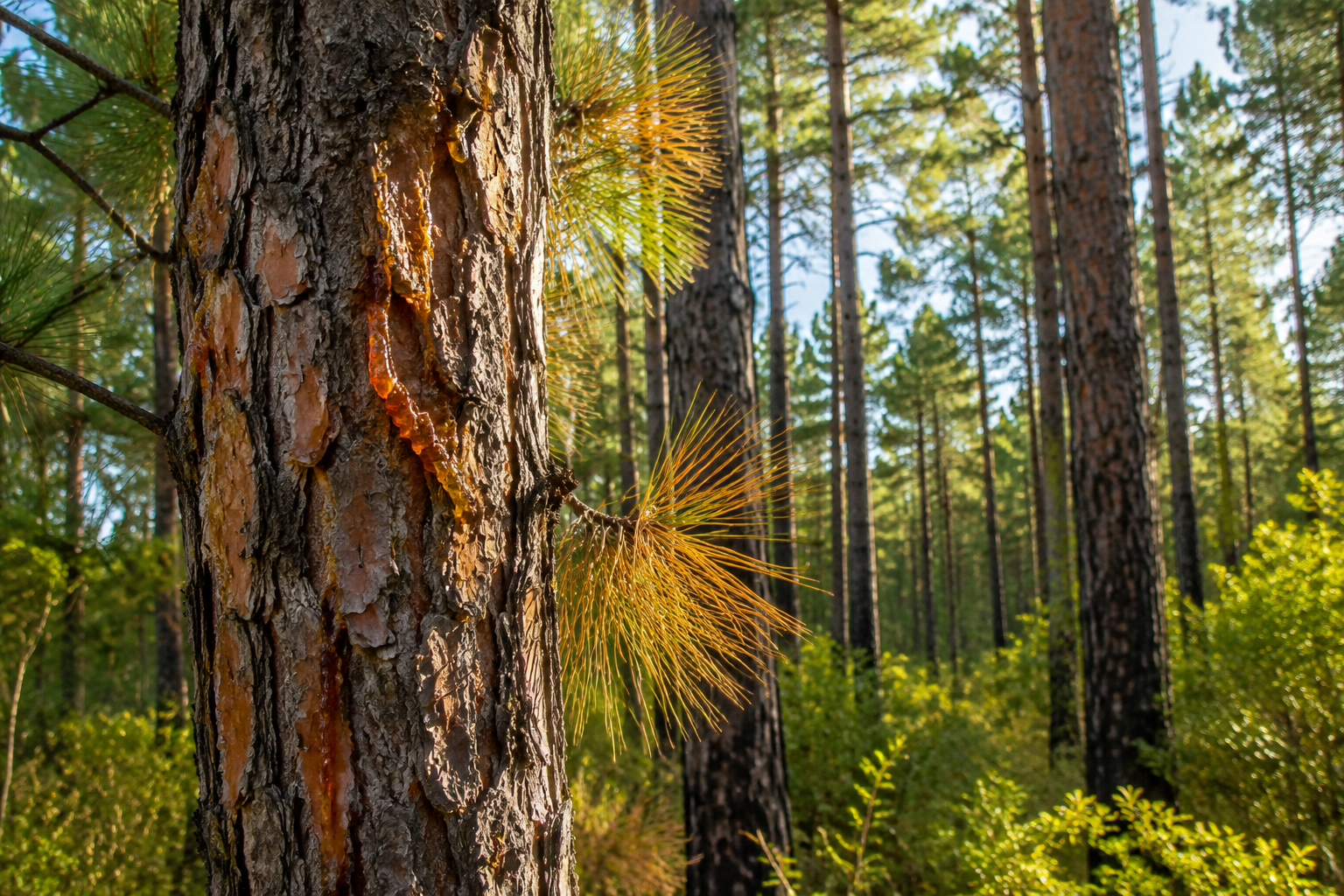
- Pitch tubes, Small, popcorn-sized globs of resin on the trunk where the tree tried to push beetles out
- Fading needles, Yellowing that progresses to full brown, starting at the top of the crown
- S-shaped galleries, Visible under the bark when a section is peeled back
- Woodpecker activity, Heavy pecking on the trunk is a reliable secondary indicator
Bark beetles attack trees already weakened by drought, lightning strikes, or root damage [3]. A healthy pine with good soil moisture and no wounds can usually resist an initial attack. A stressed pine in a dry summer cannot.
Once the needles turn fully brown, the tree is dead. Immediate removal is necessary to prevent beetles from emerging and attacking neighboring pines. If you're in Keithville or out toward Stonewall and you're seeing brown pines, don't wait on this one.
Is My Tree Sick or Just Stressed From Weather
This is the most common question we get after a hard summer or a late freeze. Not every struggling tree has a disease. Stress and disease look similar from the driveway, but the treatment is completely different.
Signs of weather stress (not disease):
- Leaf scorch on outer edges after a drought period
- Wilting that recovers after rain or watering
- Delayed leafing in spring after a hard freeze
- Sparse canopy following a dry summer, but new growth appears the following season
Signs of actual disease:
- Bark cracking, peeling, or showing discoloration that doesn't improve
- Fungal conks, white mats, or powdery coatings on bark or leaves
- Crown dieback that progresses season over season
- Cankers (sunken, discolored areas) on branches or trunk
- Foul smell from wounds or hollow areas
The honest answer: a tree that looks bad after one drought summer may just need time and water. A tree that looks bad two seasons in a row, or shows fungal growth on the bark, has a problem that won't fix itself. We'll tell you which one you're dealing with, that's what an honest assessment looks like.
How to Tell the Difference Between Fungal and Bacterial Tree Disease
Most tree diseases in Northwest Louisiana are fungal, not bacterial. That distinction matters because treatment approaches differ significantly.
| Feature | Fungal Disease | Bacterial Disease |
|---|---|---|
| Appearance | Powdery coatings, conks, mats, dark lesions | Oozing sap, water-soaked lesions, foul odor |
| Spread | Spores via wind, rain, insects | Water splash, pruning tools, insects |
| Season | Spring through fall; peaks in wet weather | Warm, wet periods; often follows wounds |
| Treatment | Fungicides, pruning, cultural changes | Pruning, copper-based bactericides, sanitation |
| Common examples locally | Anthracnose, hypoxylon canker, leaf spot | Fire blight (ornamentals), bacterial wetwood |
Fungal diseases in Louisiana are driven by our humidity. Wet springs along the Red River corridor and around Cross Lake create conditions where spores germinate fast and spread easily [4]. Bacterial diseases are less common in trees but tend to follow physical wounds, storm damage, improper pruning cuts, or construction injuries.
What Causes Sudden Tree Decline in Northwest Louisiana
Sudden decline, a tree that looks fine in March and is half-dead by July, usually has one of three causes: hypoxylon canker triggered by drought stress, pine bark beetle infestation that went unnoticed, or oak wilt moving through a root graft from a neighboring infected tree.
Hypoxylon canker is particularly deceptive. The fungus (Hypoxylon atropunctatum) lives in healthy oak bark without causing symptoms. When a tree gets stressed, by drought, soil compaction from construction, or root damage, the fungus activates and moves fast. Bark begins to shed, revealing white or grayish fungal mats beneath [1]. By the time most homeowners notice, the tree has already lost significant vascular function.
Common stress triggers we see across Shreveport neighborhoods:
- Extended drought periods (increasingly common in Caddo Parish summers)
- Root damage from utility trenching or SWEPCO line work near the tree
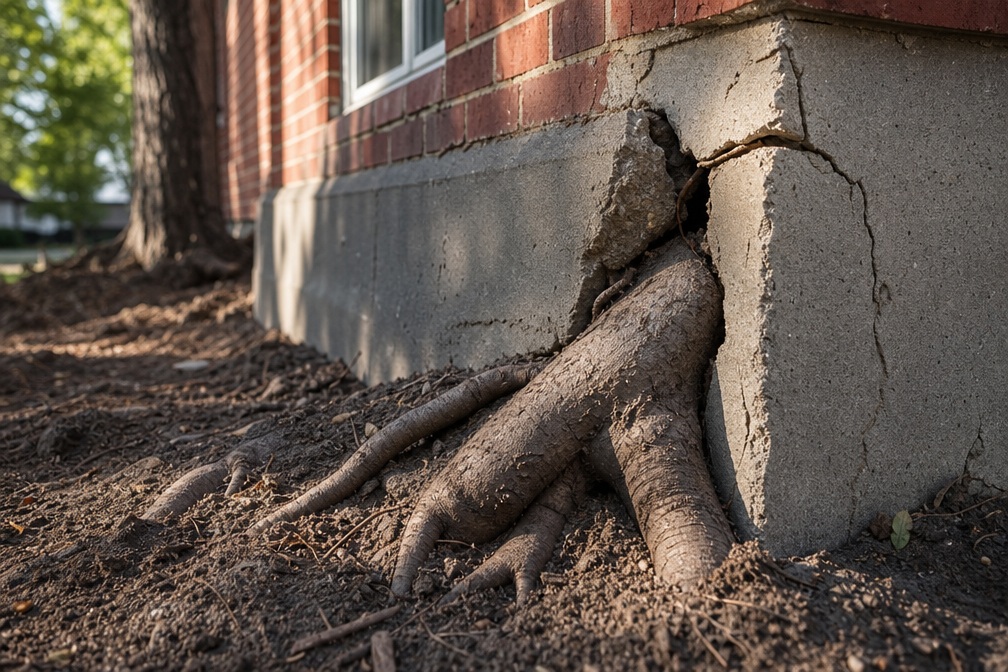
- Soil compaction from new driveways, additions, or heavy equipment
- Repeated storm damage that leaves open wounds unaddressed
If your tree declined fast and you had any construction or utility work within the drip line in the past two to three years, that's likely the stress event that opened the door for disease.
Are There Tree Diseases That Spread to Other Trees Fast
Yes, and oak wilt is the most urgent example in this region. It spreads in two ways: through root grafts between neighboring oaks (which can be severed by trenching) and through sap-feeding beetles that carry spores from infected trees to fresh pruning wounds or storm damage on healthy trees [2].
Other fast-spreading diseases to know:
- Anthracnose spreads via wind-blown spores during wet weather and can move across multiple trees in a yard within a single spring season [4]
- Pine bark beetles are not a disease but function like one, a beetle emergence from one dead pine can infest several neighboring trees within weeks [3]
- Thousand cankers disease in black walnuts moves through walnut twig beetles and can kill a tree within two to five years of first symptoms [8]
The practical rule: if one tree in a cluster is diagnosed with a communicable disease, treat or remove it before the next growing season. Waiting costs more, in money and in trees.
Our tree removal service includes assessment of neighboring trees so you're not solving one problem while missing another developing three feet away.
What Time of Year Do Tree Diseases Spread Most in Louisiana
March through June is peak disease season in Northwest Louisiana. Spring combines warm temperatures, high humidity, and frequent rainfall, exactly what fungal spores need to germinate and spread.
Seasonal disease risk calendar:
- February, March: Oak wilt risk rises as beetles become active; avoid pruning oaks
- March, May: Anthracnose peaks during wet springs; watch sycamores and oaks
- May, July: Hypoxylon canker activates in drought-stressed trees; bark shedding becomes visible
- June, September: Pine bark beetle pressure peaks during dry, hot summers
- October, January: Lower disease activity, but the best time for preventive pruning and treatment
The timing matters for treatment too. Fungicide applications for anthracnose are most effective when applied at bud break in early spring, not after symptoms are already visible [4]. Preventive pruning of dead wood is best done in late fall or winter when most pathogens are dormant.
For proper pruning that reduces disease entry points, our tree trimming service follows ISA-recommended timing for each species.
Which Trees Are Most Susceptible to Disease in Northwest Louisiana
Not all trees carry equal risk. Based on what we see regularly across Shreveport, Bossier City, and surrounding communities, these species warrant the closest attention:
High-risk species in this region:
- Water Oak, Highly susceptible to oak wilt, hypoxylon canker, and anthracnose; also short-lived naturally (50-80 years)
- Loblolly Pine, Primary target for pine bark beetles and brown spot needle blight [6]
- Sycamore, Anthracnose hits sycamores harder than almost any other local species
- Sweetgum, Prone to canker diseases and root rot in poorly drained soils
- Black Walnut, Vulnerable to thousand cankers disease [8]
- Pecan, Subject to fungal leaf scorch and pecan scab in wet years
More disease-resistant local species:
- Post Oak and White Oak (compared to Water Oak and Red Oak for wilt)
- Bald Cypress (highly resistant to most diseases and insects)
- Southern Magnolia (few serious disease threats in this climate)
If you're replanting after a removal, species selection is one of the best disease-prevention tools available. We're happy to advise on what makes sense for your specific yard and soil type.
Can You Treat Tree Diseases Yourself or Do You Need an Arborist
Some minor issues, powdery mildew on ornamental trees, light anthracnose on a young maple, can be managed with over-the-counter fungicides and good cultural practices like raking infected leaves and improving air circulation [7]. For surface fungal problems on otherwise healthy trees, a homeowner with the right product and timing can make a real difference.
But for anything involving the following, call a certified arborist:
- Any disease on a mature tree (over 20 feet tall)
- Oak wilt, fungicide injections require specialized equipment and timing [2]
- Hypoxylon canker, there is no cure; the question is whether the tree can be stabilized or needs to come down [1]
- Pine bark beetle infestation, removal of infested trees requires proper disposal to prevent re-infestation [3]
- Root disease, you cannot diagnose or treat what you cannot see
The risk of DIY treatment on a large tree isn't just ineffective treatment. It's a misdiagnosis that costs you a season while the disease advances. We've seen homeowners spray fungicide on a tree with hypoxylon canker for two years because they thought it was a leaf disease. By the time we got the call, the tree was a hazard.
If it can be saved, we'll tell you. If it can't, we'll show you why.
How to Prevent Common Tree Diseases in Your Yard
Prevention is cheaper than treatment, and treatment is cheaper than removal. The best disease-prevention practices for Northwest Louisiana trees are straightforward.
Practical prevention steps:
- Prune at the right time. Never prune oaks between February and June. Late fall and winter pruning reduces disease entry points and beetle attraction.
- Seal fresh wounds immediately. Any cut over two inches in diameter on an oak should be sealed with wound paint during beetle season.
- Mulch the root zone. A 3-inch layer of mulch (not touching the trunk) retains moisture, reduces soil compaction, and keeps mower damage away from the base.
- Water during drought. A slow, deep watering once a week during dry stretches keeps trees out of the stress zone where hypoxylon and bark beetles thrive.
- Remove dead wood promptly. Dead branches are disease and beetle incubators. Get them out before they become a problem for the rest of the tree.
- Don't top your trees. Topping creates massive open wounds and destroys the tree's natural structure, making it far more vulnerable to every disease on this list.
- Clean your tools. If you're pruning multiple trees, wipe blades with a 10% bleach solution between trees to avoid transferring fungal spores.
After a removal, proper stump grinding eliminates the root system that can harbor soil-borne pathogens like annosum root disease and continue spreading to neighboring trees.
What Should You Do If Your Tree Has a Disease
Act on what you can see, and get a professional opinion before you assume the worst or ignore it.
Step-by-step response:
- Document the symptoms. Take photos of affected bark, leaves, and the overall crown. Note when you first noticed the problem and any recent stress events (drought, construction, storms).
- Stop pruning if it's an oak. If you suspect oak wilt, do not make any cuts until a professional has assessed the tree.
- Call a certified arborist. Not a general landscaper, someone with ISA certification who can make a diagnosis, not just a guess.
- Get a written assessment. You should know what disease is present, what treatment options exist, what the timeline looks like, and what happens if you do nothing.
- Act on the recommendation. A tree with hypoxylon canker that's 60% dead is not going to recover. Waiting six months to decide costs you the window to protect neighboring trees.
We serve Shreveport, Bossier City, Haughton, Minden, Blanchard, and all of Northwest Louisiana. Licensed. Insured. Local. We know these trees because we live here too.
Frequently Asked Questions
Q: Can a tree recover from oak wilt? A: Some trees can be stabilized with fungicide injections and root trenching if caught early. Red Oaks and Water Oaks rarely survive once symptomatic. White Oaks have better odds. A certified arborist needs to assess the specific tree and how far the infection has progressed before any treatment decision is made [2].
Q: How fast does hypoxylon canker kill a tree? A: A severely stressed tree can go from first visible symptoms to structural failure within one growing season. A tree with moderate stress may decline over two to three years. There is no cure, management focuses on whether the tree can be stabilized or needs to come down safely [1].
Q: Is brown spot needle blight killing my pine, or is it just cosmetic? A: Brown spot needle blight causes real canopy thinning and reduces the tree's ability to photosynthesize, but it rarely kills a mature loblolly pine outright on its own. The bigger concern is that a weakened, thinning pine becomes a prime target for bark beetles, which can kill it quickly [6].
Q: My neighbor's oak has oak wilt. Should I be worried about my oaks? A: Yes, especially if your oaks are the same species and their root systems are close together. Root grafts between oaks of the same species can transmit the fungus underground. Root trenching between infected and healthy trees can sever those connections. Get an arborist to assess the situation before the next growing season [2].
Q: Do I need to remove a stump after a diseased tree is taken down? A: For soil-borne diseases like annosum root rot, yes, the stump and root system can continue to harbor the pathogen and infect neighboring trees. For most fungal canker diseases, grinding the stump removes the primary reservoir. Our stump grinding service handles this as part of a complete disease-response plan.
Q: What's the difference between anthracnose and normal fall leaf drop? A: Anthracnose causes dark, irregular lesions on leaves and premature drop in spring or early summer, not fall. Normal leaf drop in autumn is uniform and follows the tree's natural cycle. If your oak or sycamore is dropping leaves in April or May with dark spots on them, that's anthracnose, not seasonal change [4].
Conclusion
Common tree diseases Northwest Louisiana identification isn't about memorizing Latin names. It's about knowing what to look for on your specific trees, in your specific yard, during the seasons when disease pressure is highest. A Water Oak dropping leaves in May is not the same problem as a Loblolly Pine with boring dust at its base, and both are different from a Sweetgum that just looks rough after a dry summer.
The trees in Shreveport's older neighborhoods, the big oaks in South Highlands, the pine stands out toward Spring Lake, the pecans along Caddo Parish fence lines, are worth protecting. They add value, shade, and character to properties that took decades to mature. Losing one to a preventable disease, or to a misdiagnosis, is a real loss.
If you're seeing something that doesn't look right on your trees, don't wait for it to get worse. We offer free estimates with no obligation and no pressure. Our assessments are honest, if the tree can be saved, we'll tell you how. If it can't, we'll show you why and help you plan what comes next.
Call us or reach out online to schedule your free estimate. We're serving Shreveport, Bossier City, and all of Northwest Louisiana, real people, real fast, and we'll be there when it matters.
Contact Shreveport Trees for a free estimate or visit our services page to learn more about what we do. For after-hours emergencies, our 24/7 emergency tree service is available around the clock.
Your trees, our responsibility.
References
[1] Tree Disease Diagnosis Shreveport Complete Guide For Homeowners - https://millertreeservice.net/tree-disease-diagnosis-shreveport-complete-guide-for-homeowners/?utm_source=openai
[2] How Do I Treat Oak Wilt In Northwest Louisiana - https://millertreeservice.net/cade-faq/how-do-i-treat-oak-wilt-in-northwest-louisiana/?utm_source=openai
[3] Are My Pine Trees Dying From Beetle Infestation Or Disease - https://millertreeservice.net/cade-faq/are-my-pine-trees-dying-from-beetle-infestation-or-disease/?utm_source=openai
[4] What Are The Common Tree Diseases In Louisiana - https://millertreeservice.net/cade-faq/what-are-the-common-tree-diseases-in-louisiana/?query-1-page=12&utm_source=openai
[5] Annosum Root Disease - https://tfsweb.tamu.edu/trees/tree-health/diseases/annosum-root-disease/?utm_source=openai
[6] Brown Spot Needle Blight Identification And Implications - https://extension.msstate.edu/publications/brown-spot-needle-blight-identification-and-implications?utm_source=openai
[7] Top 5 Tree Diseases Louisiana - https://americanforestryservices.com/tree-care-and-maintenance/top-5-tree-diseases-louisiana/?utm_source=openai
[8] Walnut Juglans Spp Thousand Cankers Disease Black Walnut Decline - https://pnwhandbooks.org/plantdisease/host-disease/walnut-juglans-spp-thousand-cankers-disease-black-walnut-decline?utm_source=openai
0 Comments